search
search
add Nieuwe reis
Palermo
BestemmingenItaliëSicily

Palermo

confirmation_numberMiddenklasseprijs
PalermoJe eigen route Plan hier een reis →

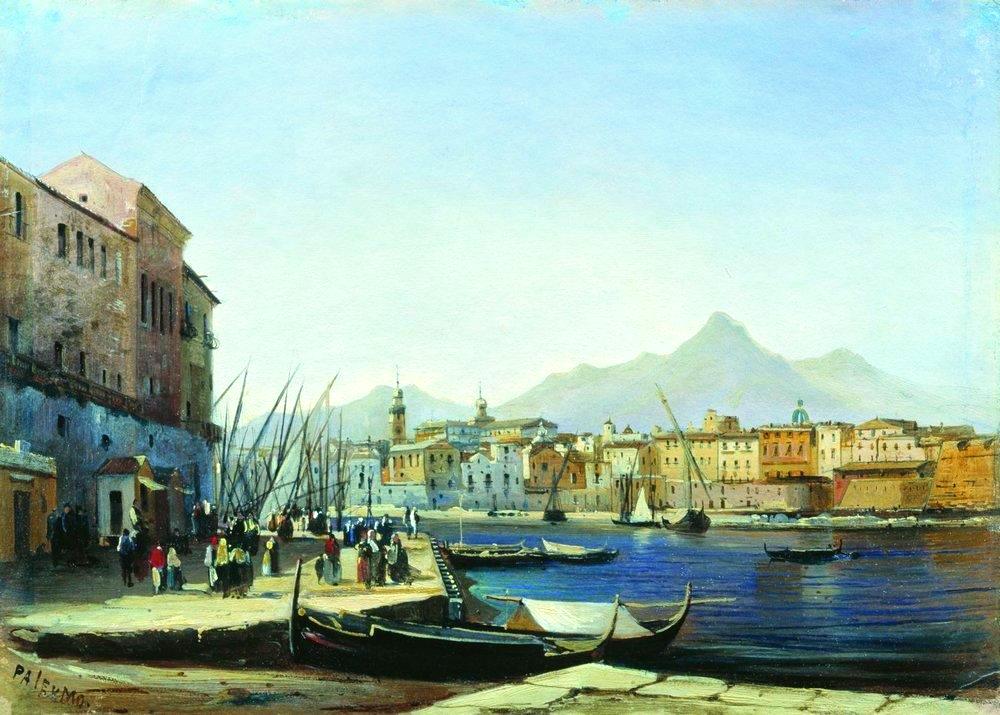
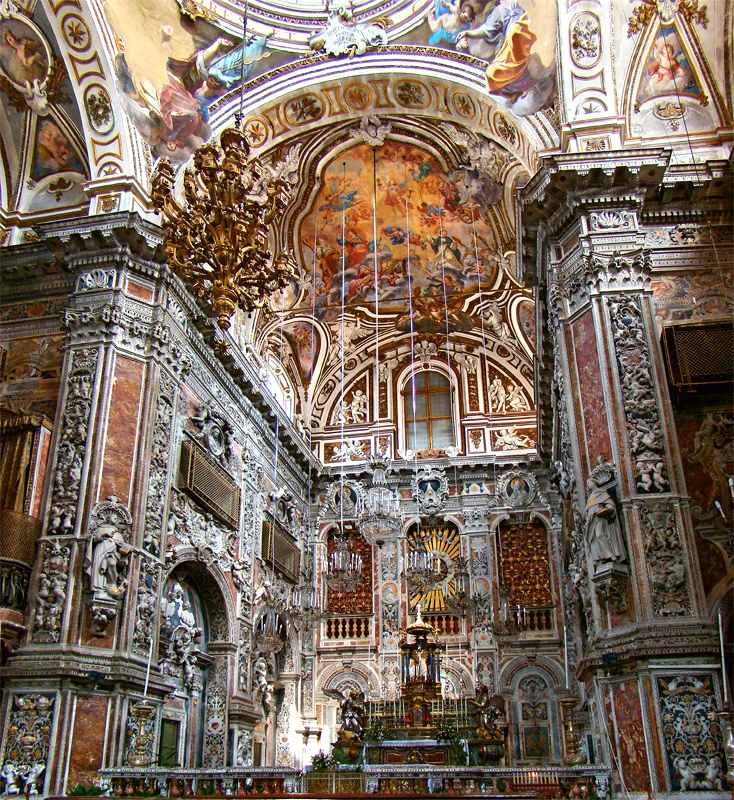
Palermo is a city where history and culture intertwine. The streets are lined with architectural wonders, from Arab-Norman palaces to Baroque churches. You can feel the weight of centuries in the air as you wander through its vibrant neighborhoods.

Lees meer

The local markets are alive with the sounds of vendors calling out their wares. The aroma of street food fills the air, inviting you to taste the city's culinary delights. Each corner reveals a new story, making exploration rewarding yet sometimes overwhelming.

Routes langs hier

Elke route opent in de planner als je eigen kopie: verander elke stop, elke nacht.

Sightseeing

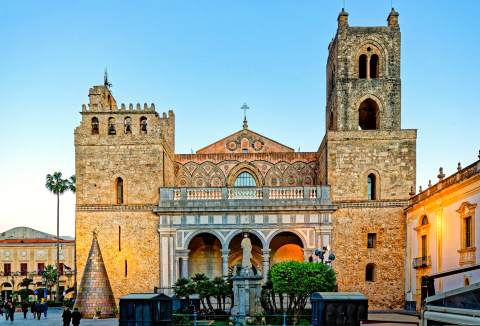
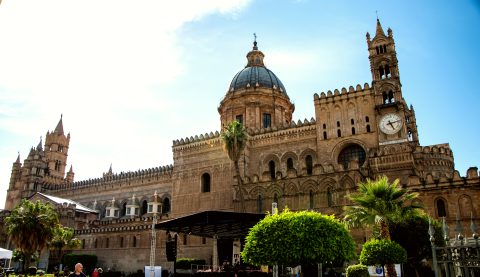
Palermo Cathedral: A mix of architectural styles, showcasing its rich history.
Royal Palace: Home to the Sicilian Parliament, with stunning interiors.
Palatine Chapel: Famous for its golden mosaics and Arab-Norman architecture.
Church of San Giovanni degli Eremiti: Notable for its red domes and tranquil gardens.
Zisa Palace: A former royal residence with beautiful gardens.
Admiral’s Bridge: A picturesque spot for photos and views of the city.
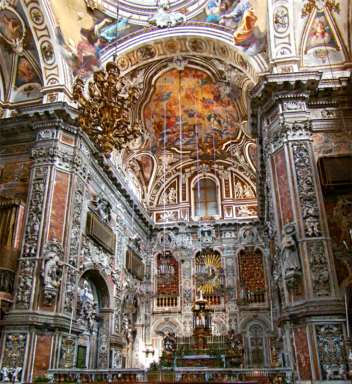
Church of Santa Maria dell’Ammiraglio: Known for its intricate mosaics.
Church of San Cataldo: Recognizable by its unique red domes.

"Experience the heart of Sicily"Palermo

Dingen om te doen

Explore the Mercato di Ballarò: A lively market with local produce and street food.
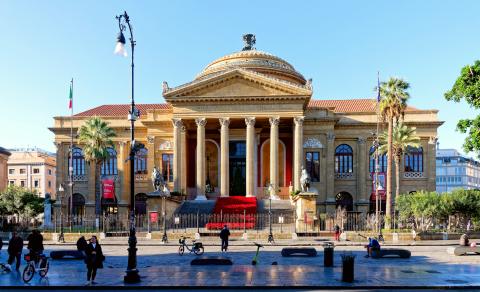
Visit the Teatro Massimo: Attend an opera or concert in Italy's largest opera house.
Stroll through the historic center: Discover charming piazzas and hidden courtyards.
Relax at Mondello Beach: Enjoy the sun and clear waters just outside the city.
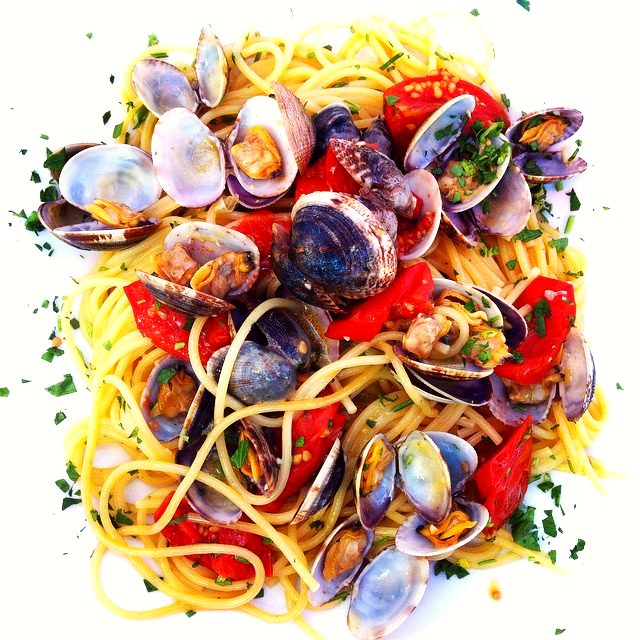
Take a guided street food tour: Sample local delicacies and learn about Sicilian cuisine.
Lokaal eten en drinken - Palermo

Lokaal eten en drinken

Panino con la milza: A traditional sandwich made with spleen and herbs.
Arancina: A rice ball filled with ragù, peas, or cheese, often found at street vendors.
Stuzzicandoci: A popular spot for delicious arancina in downtown Palermo.
Timilia: A pizzeria known for its gluten-free options and tasty pies.
Enoteca Picone: A wine bar with a great selection of local wines.
Lokale tradities - Palermo

Lokale tradities

Festa di Santa Rosalia: A major festival in July celebrating the city's patron saint.
Street food culture: An integral part of daily life, with vendors throughout the city.
Palermo's markets: A tradition of vibrant market life, especially in Ballarò and Vucciria.
Cultural events: Regular concerts and exhibitions showcasing local artists.

Do's en don'ts

Try local street food from vendors.
Visit the historic markets for an authentic experience.
Learn a few Italian phrases to enhance interactions.
Take time to explore lesser-known neighborhoods.
Don't assume all restaurants serve the same quality of food.
Don't ignore local customs, especially during religious events.
Don't rush through the city; take your time to enjoy it.
Don't forget to check opening hours before visiting attractions.

Praktisch

In één oogopslag

Gesticht
800 BC
Bevolking
650.000
Toegankelijkheid
Some areas are wheelchair accessible, but many streets are uneven.
Price level
Middenklasse

Dingen om te weten

Be cautious in crowded markets, as pickpocketing can occur.
Public transport can be unreliable; consider walking or using taxis.
Some attractions may have limited opening hours, especially in off-peak seasons.
Street food vendors may vary in quality; choose busy stalls for the best options.
history_eduGeschiedenisexpand_more
Geschiedenis - Palermo

Palermo's origins date back to the Phoenicians, who called it Ziz. The city flourished under Greek and Roman rule, becoming a significant port. Its golden age came during the Arab domination from the 9th to the 11th centuries, when it became a center of trade and culture in the Mediterranean.

The Normans later took control, leaving behind a legacy of stunning architecture. Over the centuries, Palermo has been influenced by various cultures, including the Spanish and Italians, shaping its unique character. Today, it stands as a testament to its rich and diverse history.

Foto: Wikipedia / Wikimedia Commons