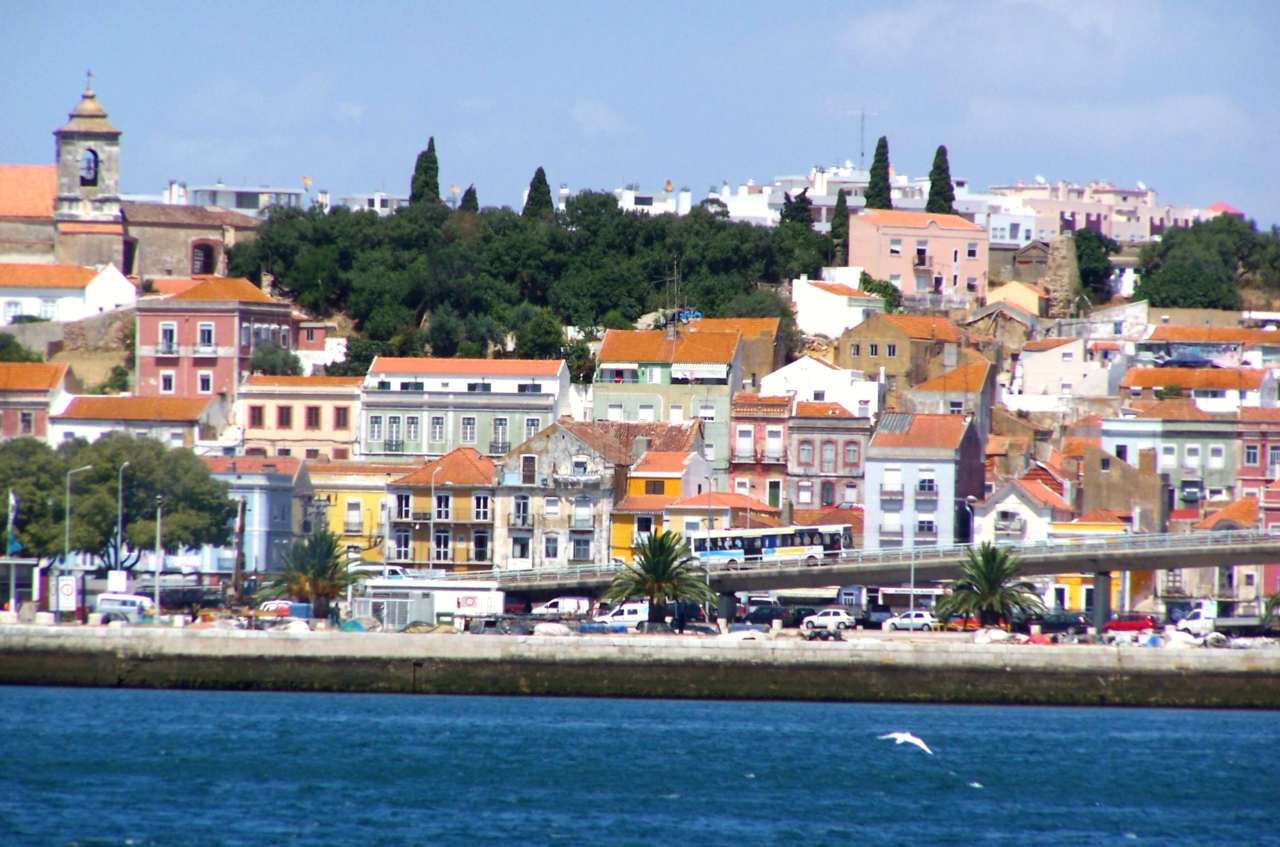
Setúbal
 April to Octoberbeste tijd
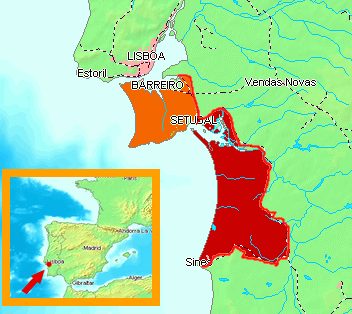
Setúbal, located south of Lisbon, offers a mix of coastal beauty and rich history. The region is known for its stunning beaches, such as Praia da Figueirinha, and the scenic Arrábida Natural Park, where hiking trails lead to breathtaking views of the Atlantic Ocean.
Lees meer
Visitors can explore the charming town of Setúbal, famous for its fish market and vibrant waterfront. The region's proximity to the Sado River allows for dolphin-watching tours, adding a unique experience to any trip. Setúbal's local culture is deeply rooted in fishing and winemaking, making it a delightful destination for food lovers.
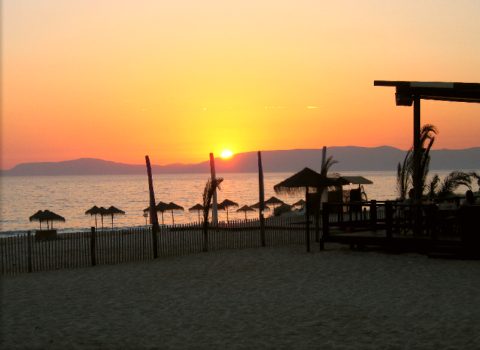
Sightseeing
Lokaal eten en drinken
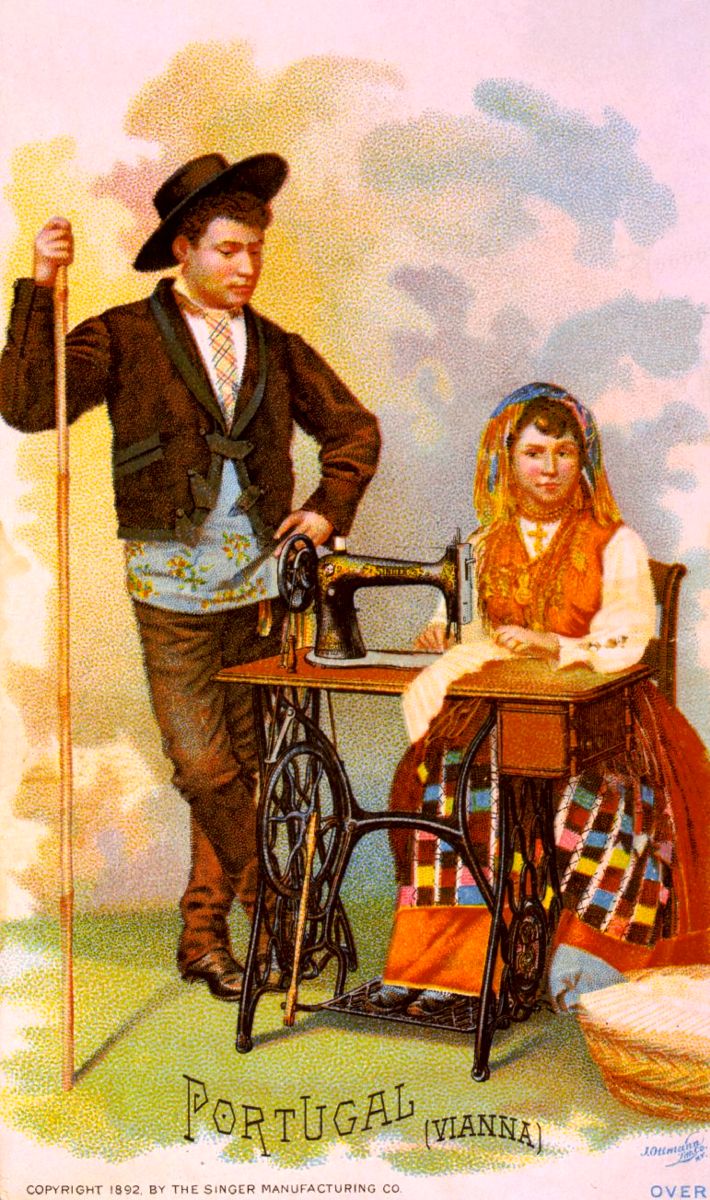
Lokale tradities
Praktisch
In één oogopslag
- Beste tijd
- April to October
Geschiedenis
Setúbal's history dates back to Roman times, when it was known as Cetóbriga. The region flourished due to its strategic location along trade routes and its rich fishing grounds. Over the centuries, Setúbal developed into a significant port city, contributing to Portugal's maritime heritage.
In the 19th century, Setúbal became an important industrial center, particularly for canning and shipbuilding. Today, remnants of its past can be seen in the architecture and local traditions, reflecting a blend of influences from various cultures that have shaped the region.
Foto: Wikipedia / Wikimedia Commons